
Guide to solving the V18 vibration at the express freight train noise level problem with CX34 chillers
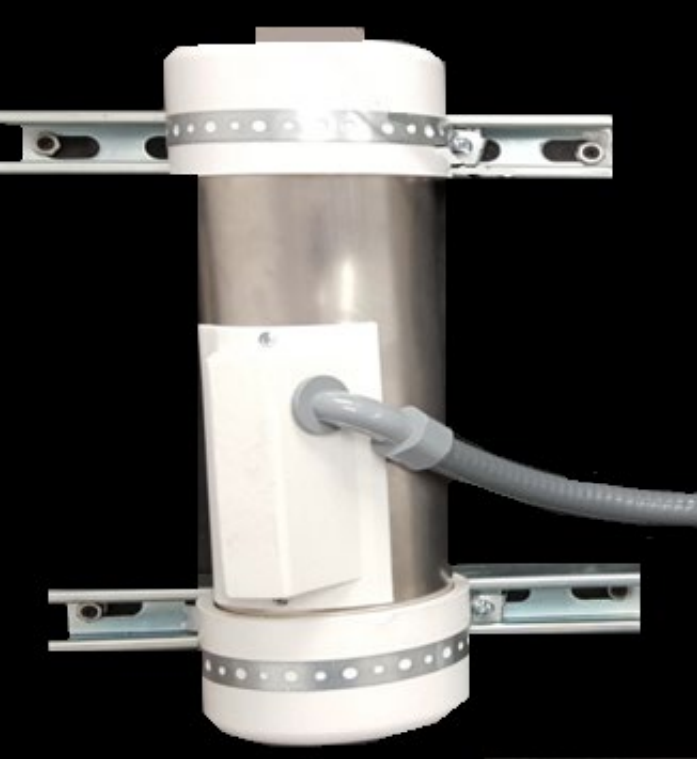
The Chiltrix backup heat V18 is usually very quiet. But it the circumstances where it is not, it can vibrate to the point that your homeowners will tell you they are worried about the house falling down, the baby can’t sleep, and the equipment is tearing itself apart.
So we’d rather not have that happened. This post explains why it happens, what is happening, and how to stop it.
Why/what is happening?
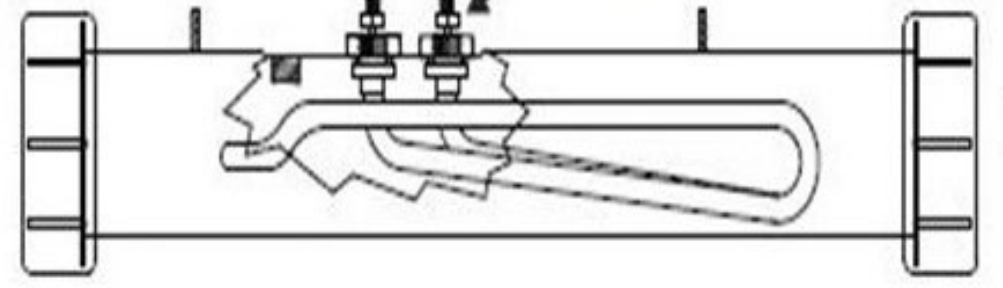
The vibration happens when the heating element heats the water/glycol mix to the boiling point on the surface of the element, creating gas bubbles. That part isn’t too loud. But then those bubbles collapse – and that makes all the noise.
Causes & solutions
After 6 years of encountering this, we finally have a robust set of fairly good solutions and an understanding of what is happening. There are a number of factors at play. They are: water flow rate, V18 control strategy, glycol percentage rate, actual (not nominal) voltage, and element size.
The lower the flow rate, the longer the fluid is in contact with the heating element, and thus more chance for it to boil off the from the element. However while we can specify a higher minimum flow rate (p53), it also means the pump runs at higher speeds at all times, and there is more heat loss from the buffer tank to the Chiller when the Chiller is idle/testing the temperature via their pump-always-on methodology. So while increasing the pump speed can resolve a noise call in the moment (and this moment will be the coldest night of the year, so this is a worthy tool), it is not a satisfying long term solution.
The v18 control strategy is really about what control we have over the flow rate – before we discovered this problem, the Chiller logic was to slow the flow rate to try and get the desired delta T from the chiller alone, and when that failed, to start with the maximum energy to the element (5500 watt) – this caused the V18 to have low flow rate and high energy output, making the disturbing vibration more likely. The control problem seems solved for the CX50, due to notably higher flow rates (easily above the ~5 gallon flow rate we think is safe for no noise).
Glycol percentage dictates the viscosity of the fluid. The higher the glycol percentage of the fluid, the higher the viscosity is. The higher the viscosity, the larger the bubbles, the louder the noise when they collapse. Bubble formation of all sizes is also more likely at higher viscosity. At 254 volts, the glycol percentage must be below 30% (lowest possible percentage that satisfies your coldest conditions is the best practice). For us, we went from using the no ice rating to the no burst rating, which is still safe, but can lead to bits of ice in your fluid at low temperatures with the heat pump not working.
The voltage is the primary driver. The V18 element is sized and tested at 240 volts. If your local utility overclocks the voltage, this will very quickly put your system into the “make loud noises” condition, assuming a cold climate. While you have little control over the supply voltage, the closer you are to 240V, the less likely this problem is to occur.
Our research indicates this buck boost transformer: should also resolve the problem by reducing the voltage. However, having found a number of solutions, and Chiltrix having updated their controls and flow rates, we have not tested this.
The element size from the factory is 5500 Watts – which is the the highest power rating for a 30 amp circuit. That much power with too much glycol, or voltage, or not enough flow, leads to loud noises. A 5000 watt element would be ideal, but seems to be made of unobtanium. 4500 watts does exist, and reduces your nominal 18,000 BTU output to 14,700BTU. This solved the noise problem at one of our installations.
Another way to resolve this is to pipe the V18s differently. While direction (orientation – up, down, horizontal) don’t seem to matter (we consider the electrical connection side to be the inlet of the V18), running them in parallel vs in series does help, as the water doesn’t enter the 2nd one already preheated, and the minimum flow rate for one is lower than for 2 in a row.
Our final proven idea for resolving the freight train noise is to increase the P103 setting (CX34-3) to 27,000 for two V18s (which should be 11000 if two 5500W V18s were installed). Because the control allows the system to ask for more Watts of energy than are installed, we end up with the Chiller powering the V18s at full power (which it is doing from 1 to 100%) for longer, thus allowing the noise to run seemingly endlessly. 27,000 seems to be high enough (in our -2F design climate) to trigger a reduction in the power sent to the V18s. If it is calling for 26000 BTUS, the Chiller will call for 96% of full power, thus starting to reduce the noise. Experientially, 5000W is a safe amount of power to avoid the noise with our glycol percentage and temperatures.
The tradeoff of increasing P103 is not getting the full power, and as the required additional BTUs fall into the actual range of the V18s, you will be underpowered; for example, if the actually need is 11,000W, and you have two V18s with a 5500W element in each, and you have set the P103 to 27,000, instead of getting 11,000W, you will get 40.7% of that, or 4480W of energy. However, that will trigger the chiller to not keep up, and thus recalculate that it needs more Watts, and may eventually end up at close to 27,000 Watts, so it will not be as fast, and you may lose available backup heat, but it will produce near to desired additional heat. We don’t’ have a lot of data on how exactly the system performs with this setting, other than customers stopped being concerned about the noise while also not complaining that it couldn’t keep up.
The freight train problem is somewhat esoteric, but if you experience it, it can quickly consume your troubleshooting time and energy. The solutions in this guide should give you the tools to quickly resolve the issue while keeping backup heat available to your customer.
2023 Radiance. All Rights Reserved.
Websites Services Provided by Eat Sleep Launch RepeatBuilt Using Divhunt